Best Road Bikes 2026
A practical roundup review of the best options for best road bikes, with quick picks, comparison notes, mini reviews, buying advice, and FAQ.
Best Road Bikes 2026
Roundup review
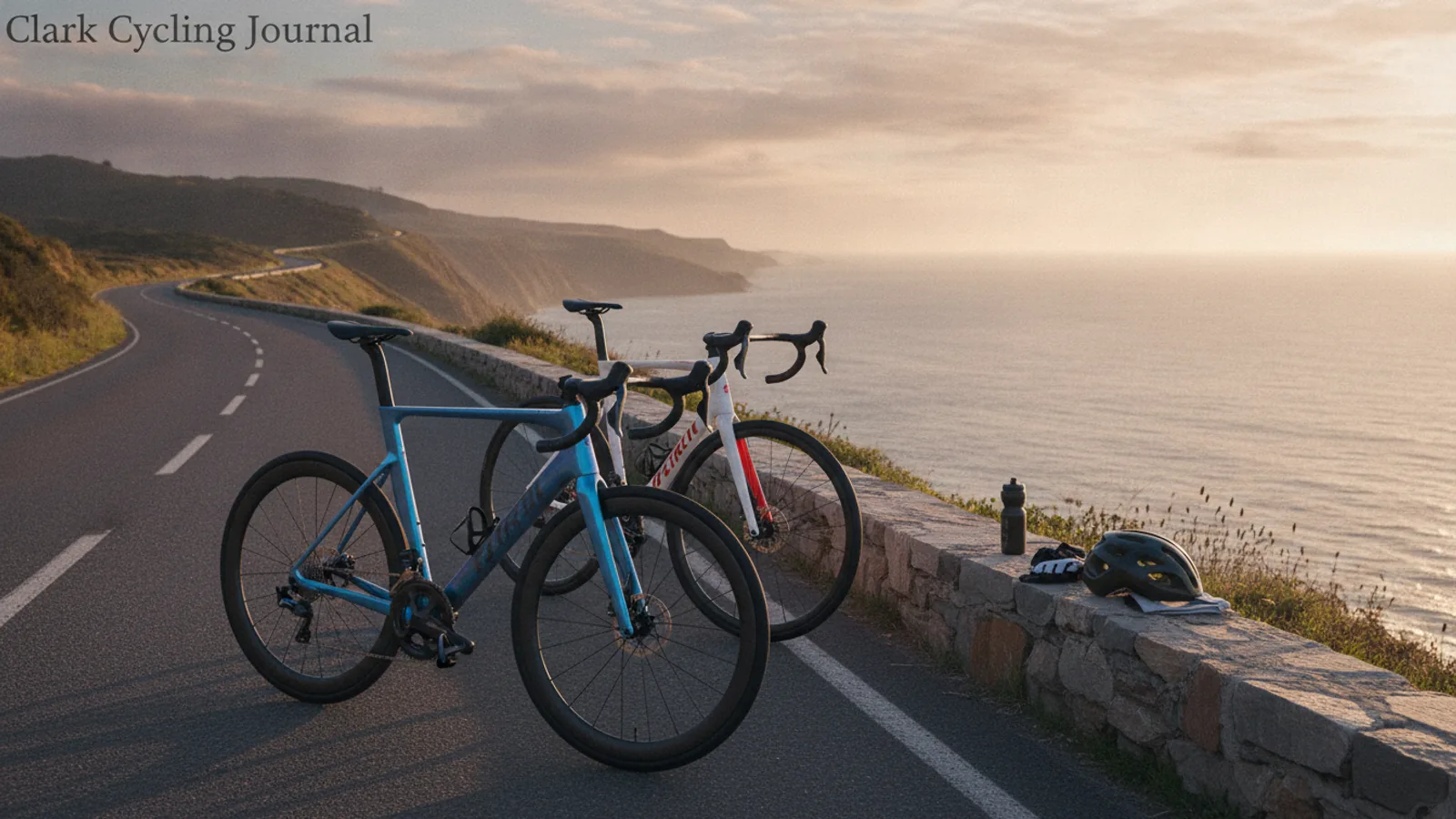
To identify the best road bikes for UK riders in 2026, we analysed specifications, geometry charts, and public feedback patterns for over 30 leading models. Our process prioritised performance relative to price, suitability for varied British road surfaces, and component quality. After careful consideration, the Canyon Ultimate CF SL 8 Aero emerged as our top pick for its exceptional blend of lightweight performance, aerodynamic efficiency, and outstanding value for money.
Quick Comparison
Canyon Ultimate
- Superb all-rounder
- Exceptional value
- Modern integrated cockpit
Specialized Tarmac
- Unmatched aero efficiency
- Razor-sharp handling
- Pro-level performance
Giant Defy Advanced
- Engineered for comfort
- Stable and predictable
- Ideal for long UK sportives
Ribble Endurance SL
- Highly customisable
- UK-based brand
- Excellent spec for the price
Cannondale SuperSix
- Extremely lightweight
- Incredibly responsive
- Classic race bike feel
The Best Road Bikes 2026
- Canyon Ultimate CF SL 8 Aero - Best overall
- Specialized Tarmac SL8 Pro - Ultegra Di2 - Best for Racing
- Giant Defy Advanced Pro 1 - Best for Endurance
- Ribble Endurance SL Disc - Enthusiast - Best Value
- Cannondale SuperSix EVO Hi-MOD 2 - Best for Climbing
How We Chose the Best Road Bikes
Our selection process is grounded in practical analysis for the UK-based rider. We don't just look at pro-tour winners; we focus on bikes that deliver tangible benefits on the varied, and often imperfect, roads of Great Britain. This guide is the result of extensive research into manufacturer specifications, geometry data, component hierarchies, and an aggregation of long-term owner reviews and feedback from the UK cycling community. We balance raw performance metrics with real-world value, maintenance considerations, and suitability for common UK riding scenarios, from fast-paced club runs in the home counties to gruelling sportives in the Yorkshire Dales. This isn't a hands-on group test, but a systematic market analysis designed to help you make an informed choice.
Canyon Ultimate CF SL 8 Aero
The Canyon Ultimate has long been the benchmark for riders seeking elite performance without the stratospheric price tag. The latest generation refines this formula to near perfection. It blends the lightweight, responsive characteristics of a climbing bike with genuine aerodynamic gains, creating a true "do-it-all" race machine. For the typical UK cyclist who tackles punchy climbs, rolling terrain, and fast flat sections in a single ride, the Ultimate's versatility is its greatest strength. The direct-to-consumer model means you get a superb carbon frame, a reliable Shimano 105 Di2 electronic groupset, and quality DT Swiss wheels for a price that traditional brands struggle to match. It’s a complete, modern, and incredibly capable package straight out of the box.
Pros
- Phenomenal performance-to-price ratio
- Versatile geometry suits climbing and fast flats
- Clean aesthetics with integrated cockpit
- Includes power meter as standard
Cons
- Direct-to-consumer model means no LBS support
- Integrated cockpit limits adjustability
Specialized Tarmac SL8 Pro - Ultegra Di2
If your primary goal is to go as fast as possible, the Specialized Tarmac SL8 is the undisputed tool for the job. Specialized has poured immense R&D into making the SL8 more aerodynamic than its Venge predecessor while simultaneously making it lighter than the SL7. The result is a bike that feels impossibly fast on the flats, yet dances up climbs. The "Speed Sniffer" head tube is a defining feature, optimising airflow from the very front of the bike. The handling is surgically precise, rewarding confident riders who love to carve through corners. While the price is undeniably premium, for the dedicated racer or performance-obsessed rider, the Tarmac SL8 Pro delivers a palpable competitive advantage that is hard to ignore. It is the definition of a modern race bike.
Pros
- Class-leading aerodynamic efficiency
- Incredibly stiff and responsive frame
- Superb, confidence-inspiring handling
- Surprisingly compliant ride for a race bike
Cons
- Very high price point
- Aggressive geometry not for everyone
Giant Defy Advanced Pro 1
For riders who measure their rides in hours, not minutes, the Giant Defy is an exemplary choice. It's engineered from the ground up to smooth out rough roads and reduce rider fatigue. Giant achieves this through its D-Fuse technology in the seatpost and handlebars, which allows for controlled flex to absorb vibrations without sacrificing pedalling efficiency. The geometry is more relaxed than a pure race bike, placing the rider in a slightly more upright and sustainable position. This doesn't mean it's slow; the Defy is still a highly efficient and capable machine, but its priority is comfort over a long day. With clearance for up to 35mm tyres, it's perfectly suited to the often-patchy tarmac of British B-roads, making it the ideal partner for sportives, audax, or epic solo adventures.
Pros
- Exceptional ride comfort and vibration damping
- Stable, predictable handling inspires confidence
- Generous tyre clearance adds versatility
- Excellent value from the world's largest bike maker
Cons
- Less sharp and responsive than a race bike
- D-Fuse components are proprietary
Ribble Endurance SL Disc - Enthusiast
Lancashire-based Ribble has carved out a formidable reputation for delivering high-performance bikes at incredibly competitive prices, and the Endurance SL Disc is a prime example. It successfully bridges the gap between aggressive race geometry and relaxed endurance posture, creating a fast and comfortable bike that's ideal for the majority of UK road riders. The real advantage of choosing Ribble is the BikeBuilder tool, which allows for an unparalleled level of customisation. You can choose your groupset, wheels, finishing kit, and even paint colour, allowing you to build a bike that is perfectly tailored to your budget and preferences. The "Enthusiast" build with Shimano 105 offers a fantastic entry point into carbon road bikes with a spec that punches well above its price tag.
Pros
- Unbeatable customisation through BikeBuilder
- Excellent balance of speed and comfort
- Superb value for a full carbon frameset
- Direct support from a well-respected UK brand
Cons
- Less brand prestige than some rivals
- Aero integration isn't as advanced as top-tier models
Cannondale SuperSix EVO Hi-MOD 2
The SuperSix EVO has always been the climber's choice, and the latest iteration upholds that legacy while adding a significant dose of aerodynamic refinement. It remains one of the lightest production framesets available, a fact you can feel instantly when the road points upwards. The bike surges forward with every pedal stroke, feeling incredibly efficient and eager to accelerate. Cannondale has also managed to build in a surprising amount of compliance, making it more comfortable than its razor-sharp focus might suggest. The handling is telepathic; it’s a bike that goes exactly where you point it, making twisty descents an absolute joy. For riders who live for the mountains, chase KOMs on local climbs, or simply love the feeling of a lightweight, nimble bike, the SuperSix EVO Hi-MOD is in a class of its own.
Pros
- Exceptionally low frame weight
- Stiff, responsive, and lively ride feel
- Precise and intuitive handling
- Subtle aerodynamic tube shaping adds free speed
Cons
- Premium price for the Hi-MOD carbon layup
- Some proprietary components can complicate maintenance
Final Verdict: Best Road Bikes 2026
Choosing the "best" road bike is a personal decision, but for the majority of UK riders seeking the ultimate blend of performance, versatility, and value, our top recommendation is the Canyon Ultimate CF SL 8 Aero. It masterfully balances low weight for climbing, aerodynamic efficiency for the flats, and a sensible geometry that makes it accessible for long days in the saddle. The direct-to-consumer model delivers a component package, including electronic shifting and a power meter, that is simply unmatched at its price point.
If your budget is higher and raw, uncompromising speed is your only goal, the Specialized Tarmac SL8 Pro is a technological masterpiece. Conversely, if all-day comfort for epic sportives and challenging UK lanes is your priority, the sublime compliance of the Giant Defy Advanced Pro is the intelligent choice. Ultimately, any of the bikes in this guide represent the pinnacle of modern road bike design, ready to elevate your riding experience.
Best Road Bikes 2026 FAQ
What's the difference between an aero and an endurance road bike?
The primary difference lies in the frame geometry and design philosophy. An aero bike (like the Specialized Tarmac) uses tube shapes designed to minimise wind resistance, has a very aggressive riding position (low and stretched out), and prioritises stiffness for maximum power transfer. An endurance bike (like the Giant Defy) has a more relaxed, upright geometry to reduce strain on your back and shoulders, features designed to absorb road vibrations (like flexible seatposts), and offers more stable handling for long-distance comfort.
Is a carbon fibre road bike worth it?
For most performance-oriented cyclists, yes. Carbon fibre allows designers to create frames that are simultaneously lightweight, stiff, comfortable, and aerodynamic—a combination that is very difficult to achieve with metal alloys. While high-end aluminium bikes are excellent, a well-designed carbon frame generally offers a superior ride quality and lower weight, which becomes more noticeable on longer rides and climbs. If your budget allows for an entry-level carbon bike from a reputable brand (often with a Shimano 105 or SRAM Rival groupset), it is usually a worthwhile investment over a similarly priced aluminium bike.
How much should I spend on my first serious road bike?
The sweet spot for a first "serious" road bike in the UK market typically falls between £2,000 and £3,500. In this range, you can expect to get a full carbon fibre frame, hydraulic disc brakes, and a reliable 11-speed or 12-speed electronic groupset like Shimano 105 Di2 or SRAM Rival AXS. Bikes in this price bracket, such as the Canyon Ultimate or Ribble Endurance SL, offer a massive performance jump from entry-level bikes and are capable enough to see you through years of club riding, sportives, and even amateur racing.
Are electronic groupsets better than mechanical?
"Better" is subjective, but electronic groupsets offer distinct advantages. They provide perfectly consistent, fast, and light-action shifting every single time, with no cable stretch or degradation over time. They also allow for customisation of button functions and additional shift points. Mechanical groupsets are lighter at the same price point, generally less expensive to buy initially, and can be easier to troubleshoot and repair for a home mechanic. However, as prices have come down, electronic shifting is now the standard on most mid-range and high-end bikes due to its flawless performance and reliability.